FROM THE EDITORS
Two stories landed this week. Read together, they say more than either does alone.
Story one, from Silicon Valley: TechCrunch’s Amanda Silberling watched Apple’s new AI Siri demos at WWDC and admitted what many of us feel — she desperately wants a “second brain” that catches the dinner plan buried in her texts and reminds her about the prescription at the pharmacy. But she hesitates. What about privacy? What happens to her own memory and attention if she outsources the “fundamental act of being a person” to a friendly robot voice?
It’s a thoughtful piece. It’s also a very adult piece — the perspective of someone deciding whether to let AI into a life that’s already fully formed.
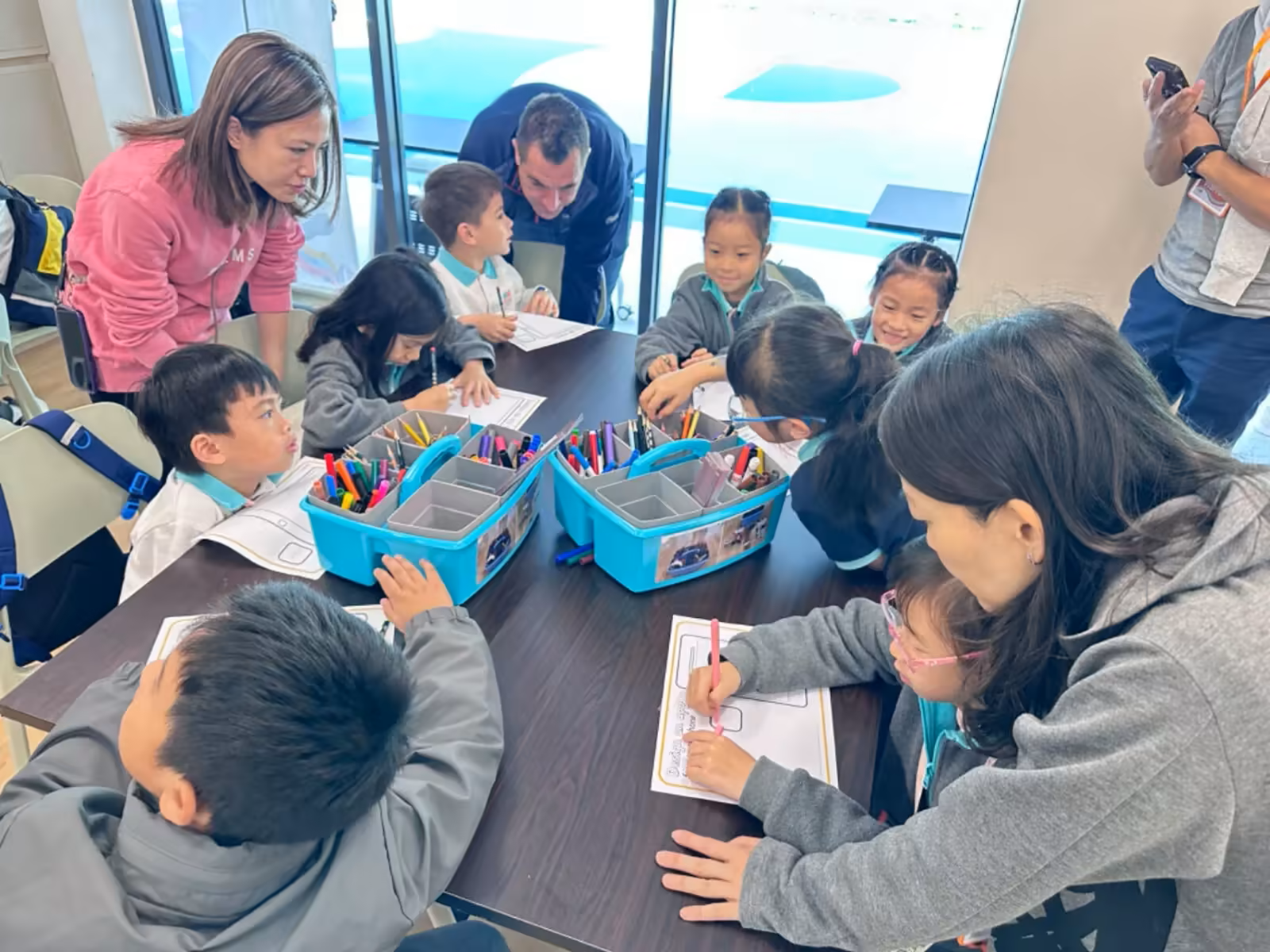
Story two, from China and beyond: Over the past four years, 87,000 students across 11 countries have built more than 287,000 Mini Programs using AI tools — supported by nearly 8,000 schools and 17,000+ teachers. Not toy projects. A student in Botswana built a farm assistant that local farmers actually use. Students in Hong Kong built a language-learning tool for people with hearing impairments — it won gold at the Geneva International Exhibition of Inventions. Kids in Chongqing built mental wellbeing tools for their peers. Medication reminders for grandparents.
The researchers found a pattern they call “amplifying kindness”: these kids don’t ask whether to use AI. They ask whose problem can I solve with it? And someone built them a platform, a curriculum, and a global stage to do it on.
And then there’s Europe.
The US builds the assistants. China builds the builders. Europe builds the paperwork.
Let’s be honest about our role in the AI race: we are not a contestant. We are the referee — and we didn’t even get asked to officiate. The EU’s flagship contribution to the defining technology of this decade is a rulebook, written before we had anything of our own worth regulating.
And before anyone says “but Mistral, but DeepL” — look at who funded them. Our few champions were largely built on American venture capital, because Europe never built the risk capital to back its own ambitions. European in geography; American on the cap table. And they spend a remarkable share of their energy navigating the very rules we wrote.
And when innovation arrives from elsewhere, our reflex is to block it. Chinese AI products are met with bans, investigations, and security reviews before most Europeans have even tried them. Maybe some of that caution is warranted. But notice what we’re doing: we restrict their products, we regulate American ones, and we build… very little.
Meanwhile, the AI Act mentions children almost exclusively as a vulnerability to be shielded. Our education debates are about screen-time limits and chatbot bans in classrooms. Where is the European platform that puts AI development tools in the hands of a 14-year-old in a small-town school — safely, at scale, with teachers trained to guide it?
A generation of kids elsewhere is learning to build with AI. Ours is learning that AI is something to be feared, restricted, and imported.
The kids in those competitions aren’t waiting for the perfect, privacy-debated assistant. They’re shipping.
Maybe the real question isn’t “what do people want from AI?”
Maybe it’s “what do we want our kids to build with it?”
What do you think — can Europe afford to stay the regulator in a race everyone else is running?
Sources:
TechCrunch: “Hey, Siri, here’s what I actually want from AI” (June 9, 2026)
Tencent: “Young Creators Are Building the Future With AI and Mini Programs” (June 9, 2026)
Photo: Primary school teachers guide students bring early Mini Program ideas to life on paper in the classroom.
Leave a Reply