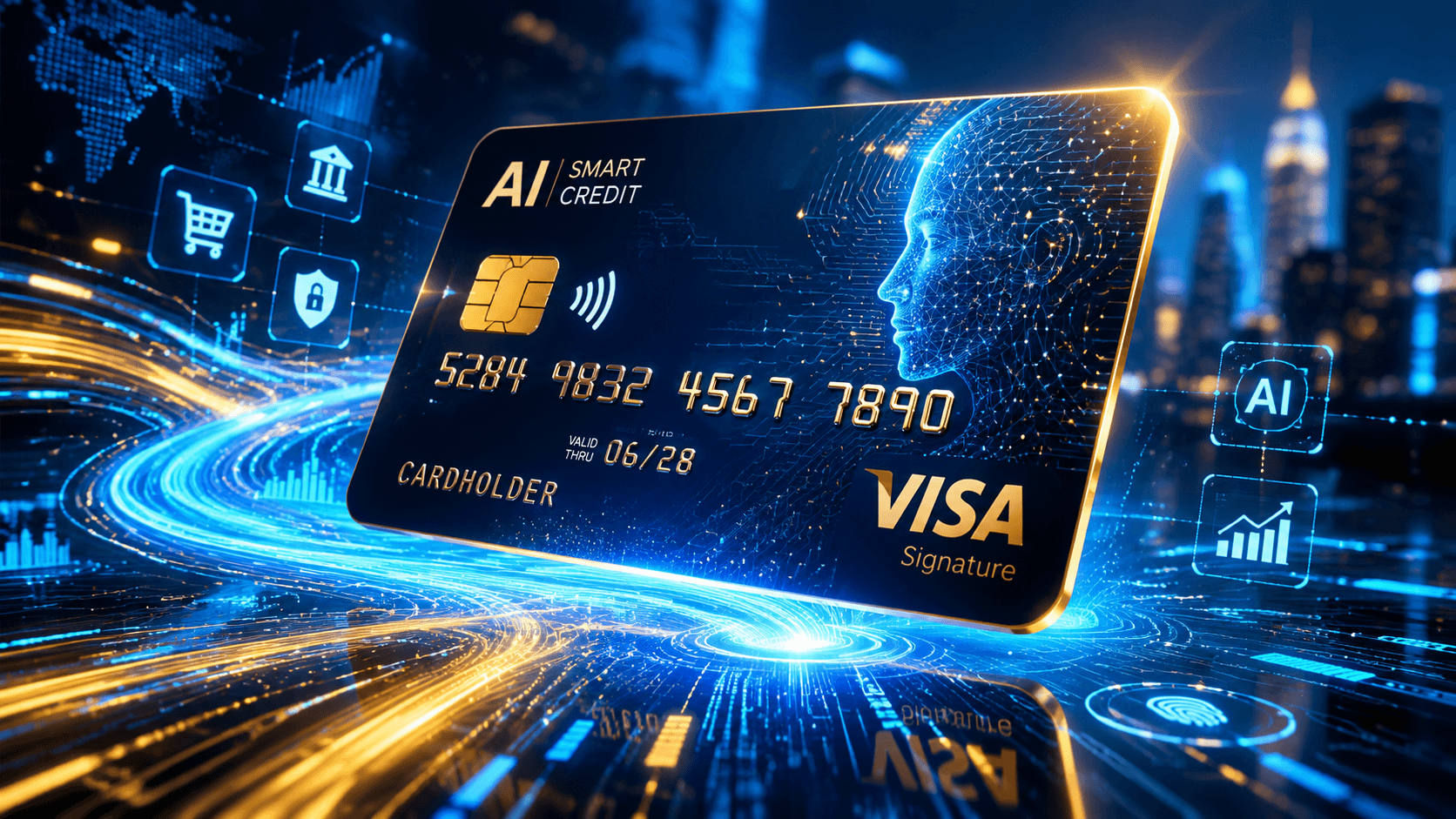
The Kimi card turns your wallet into a financial advisor, but at what cost?
China has once again leapfrogged the global fintech conversation with the launch of the Kimi AI Credit Card — the world’s first credit card with artificial intelligence built directly into the user experience. And while the name might sound familiar to chatbot enthusiasts, this Kimi has nothing to do with conversation apps. It’s a fully integrated financial tool that could redefine how we think about banking.
It’s Not Just a Payment Card — It’s a Financial Brain
Traditional credit cards process transactions. The Kimi card understands them.
Powered by embedded AI, the card goes far beyond swiping and tapping. Users can ask natural-language questions about their spending habits, receive personalized financial advice, plan payment schedules, and get real-time alerts for suspicious transactions — all without opening a separate app.
Think of it as having a financial advisor, fraud detector, and budget planner living inside your wallet.
AI Tokens Instead of Air Miles
Perhaps the most striking departure from legacy credit cards is the rewards structure. Instead of earning traditional points, cash back, or airline miles, Kimi cardholders accumulate AI tokens.
While the full utility of these tokens is still unfolding, the signal is clear: China is betting that the future of consumer loyalty lies in AI-driven ecosystems, not legacy travel perks. It’s a move that aligns rewards with the platform’s core technology rather than third-party partnerships.
The Privacy Paradox
Of course, a card that knows your spending habits this intimately raises serious questions. To deliver on its promise, the Kimi card requires deep access to transaction data, behavioral patterns, and financial history. That volume of data in a centralized system — especially in China’s regulatory environment — has already sparked debate about:
- Data security: How is sensitive financial information protected?
- Algorithmic bias: Could AI-driven lending decisions discriminate unfairly?
- Surveillance concerns: Who else has access to this granular financial portrait?
These aren’t hypothetical risks. As AI embeds itself deeper into financial services, the line between personalization and intrusion gets thinner.
What This Means for Global Fintech
Whether the Kimi card succeeds or stumbles, it’s a bellwether. The global fintech industry has been inching toward AI-native banking for years — chatbots, robo-advisors, and automated budgeting tools were just the prelude. The Kimi card treats AI not as an add-on, but as the central nervous system of the product.
For banks, payment networks, and fintech startups outside China, the message is unambiguous: the race to build truly intelligent financial products is no longer theoretical. It’s here.
The Bottom Line
The Kimi AI Credit Card is equal parts impressive and unsettling. It offers a glimpse of a future where banking is conversational, predictive, and deeply personalized. But it also forces us to confront uncomfortable questions about privacy, control, and who — or what — we’re really trusting with our financial lives.
One thing is certain: the era of the dumb plastic card is ending. The only question now is whether we’re ready for what comes next.
What do you think — would you trust an AI with your credit card? Drop your thoughts below.
Illustration: Pandaily.
Leave a Reply